






Energy Weeks 2026 – Four projects showcase the potential of the existing building stock
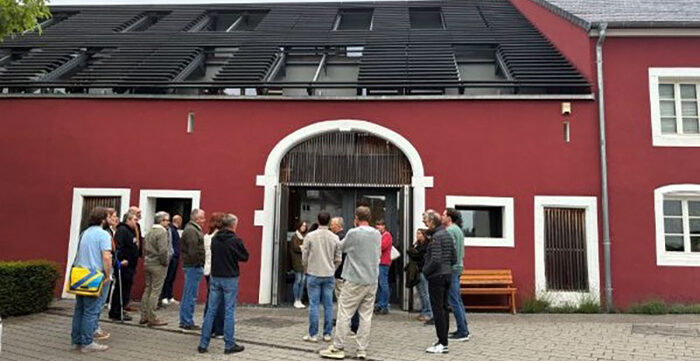
Under the motto “Conserving resources, creating space – sustainable refurbishment projects”, this year’s Energy Weeks focused entirely on the question of how existing buildings can help address current challenges. In view of the growing demand for housing, limited land reserves and the need to conserve resources and energy, the focus is increasingly shifting towards the further development of the existing building stock. The four projects visited impressively demonstrated that conversion and refurbishment not only make an important contribution to climate and resource protection, but can also create high-quality and attractive living space.
With around 90 participants, the Energy Weeks attracted a great deal of interest. Many visitors are themselves planning a conversion or refurbishment project and took the opportunity to ask specific questions, exchange experiences and draw inspiration from completed projects. Direct dialogue with the building owners once again proved to be particularly valuable. The open discussions about planning decisions, construction processes, choice of materials and experiences since moving in brought the projects to life and provided numerous practical ideas.
The event kicked off with a renovation project in Mamer completed around ten years ago. The former farmstead was preserved with great care and adapted to modern living standards. The tour focused on the homeowners’ experiences after a decade of use. Particular emphasis was placed on the pleasant indoor climate and the high level of living comfort, achieved through the consistent use of eco-friendly building materials and building services based on renewable energy. The homeowners emphasised that they have not regretted their decision to preserve the existing building for a single second to this day. The project impressively demonstrated that sustainable building not only offers environmental benefits but also enhances the quality of life in the long term.
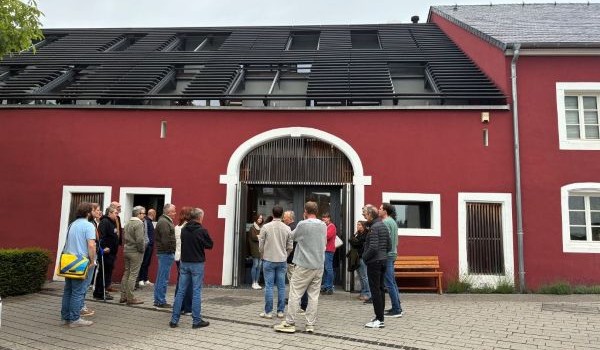
Project Mamerhaff
The two projects in Remich demonstrated, in different ways, the potential of existing buildings to create additional housing. At the same time, they make an important contribution to the preservation and revitalisation of the historic town centre. By converting and renovating existing buildings, it has been possible to create several additional flats without sealing off new areas of land.
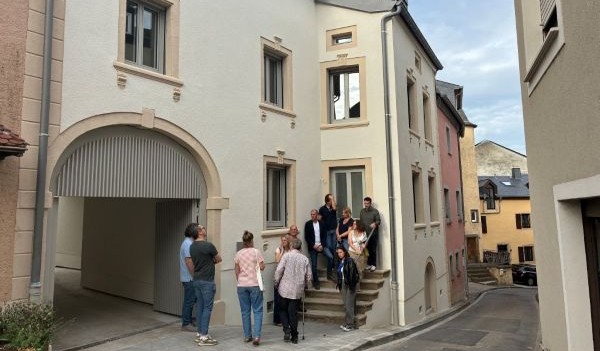
Project Remich_2
The first project involved the renovation and extension of a historic building in the centre of Remich. Visitors were impressed by the qualities of the existing structure: high ceilings, generous windows and the exceptional view over the Moselle lend the flats a special character. At the same time, modern requirements for living comfort and flood protection were consistently taken into account. Particular attention was also paid to preserving an existing bat colony: the attic of the former post office building was retained as a refuge and habitat for the bats, serving as an excellent example of how the regeneration of existing buildings can be combined with the protection of biodiversity. The project thus combines the preservation of historic buildings with contemporary living standards.
The second project in Remich demonstrated how the careful refurbishment of two historic residential buildings can create new affordable housing. The spacious outdoor areas and the high quality of the communal courtyard were particularly well received. The combination of historic structures with modern architectural elements highlighted that refurbishment projects often produce individual solutions that differ significantly from standardised new-builds.
The project concluded with a multi-generational project in Bartringen. Here, it became particularly clear how the ongoing conversion and redevelopment of existing buildings helps to preserve historic buildings in the long term. What used to be taken for granted has, unfortunately, become the exception today in the face of rising land prices and a strong focus on new-build developments. At the same time, the project demonstrated how communal building and living can strengthen the bond between the generations. The eco-friendly building materials used, the pleasant indoor climate and the high Energy efficiency won over all users. Here, too, the developers feel vindicated in their decision to preserve the existing building and to consistently opt for sustainable building materials and renewable energy sources.
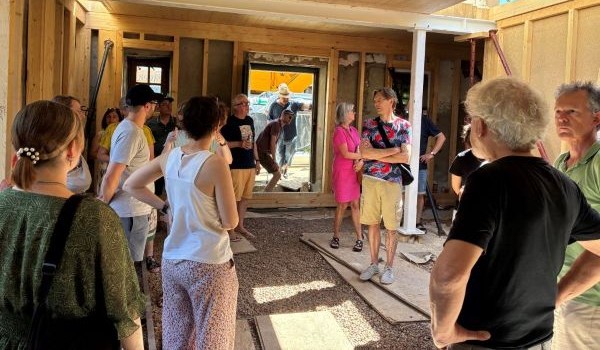
Projekt Bertrange
This year’s Energy Weeks have impressively demonstrated the potential that lies within the existing building stock. The projects presented made it clear that conversion and refurbishment can make a significant contribution to climate protection and resource conservation without compromising on quality of life. On the contrary: it is often precisely the challenges posed by existing buildings that give rise to particularly attractive, identity-forming and liveable spaces. The enthusiastic response and the numerous discussions held on site made it clear that interest in sustainable conversion projects is growing and that many people are looking for concrete examples of how a resource-efficient building culture can be put into practice.