








No to Chevron’s arbitration proceedings against the Ecuadorian government: international mobilization for justice in the Amazon
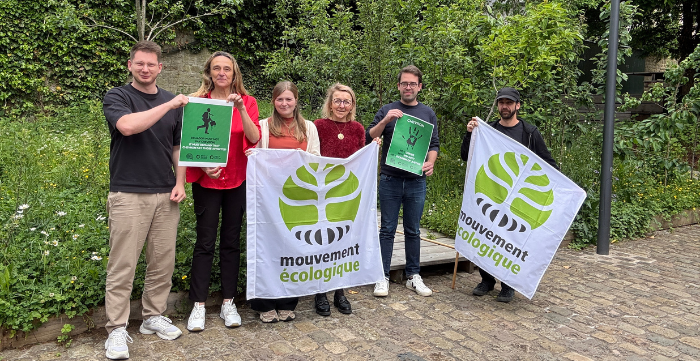
The Mouvement Ecologique is joining an international collective of environmental and social organizations, created on the initiative of Friends of the Earth, to support the communities and peoples of Ecuador affected by the activities of the Chevron corporation.
An emblematic case of impunity for large corporations
For decades, the populations of the Ecuadorian Amazon region have suffered from the devastating consequences of environmental pollution caused by Texaco’s oil exploitation activities, now a subsidiary of Chevron. In 2011, after eight years of proceedings, the Ecuadorian courts ordered Chevron to pay more than 9.5 billion US dollars in compensation for the damage caused. This ruling was confirmed several times, most recently by Ecuador’s Constitutional Court in 2018.
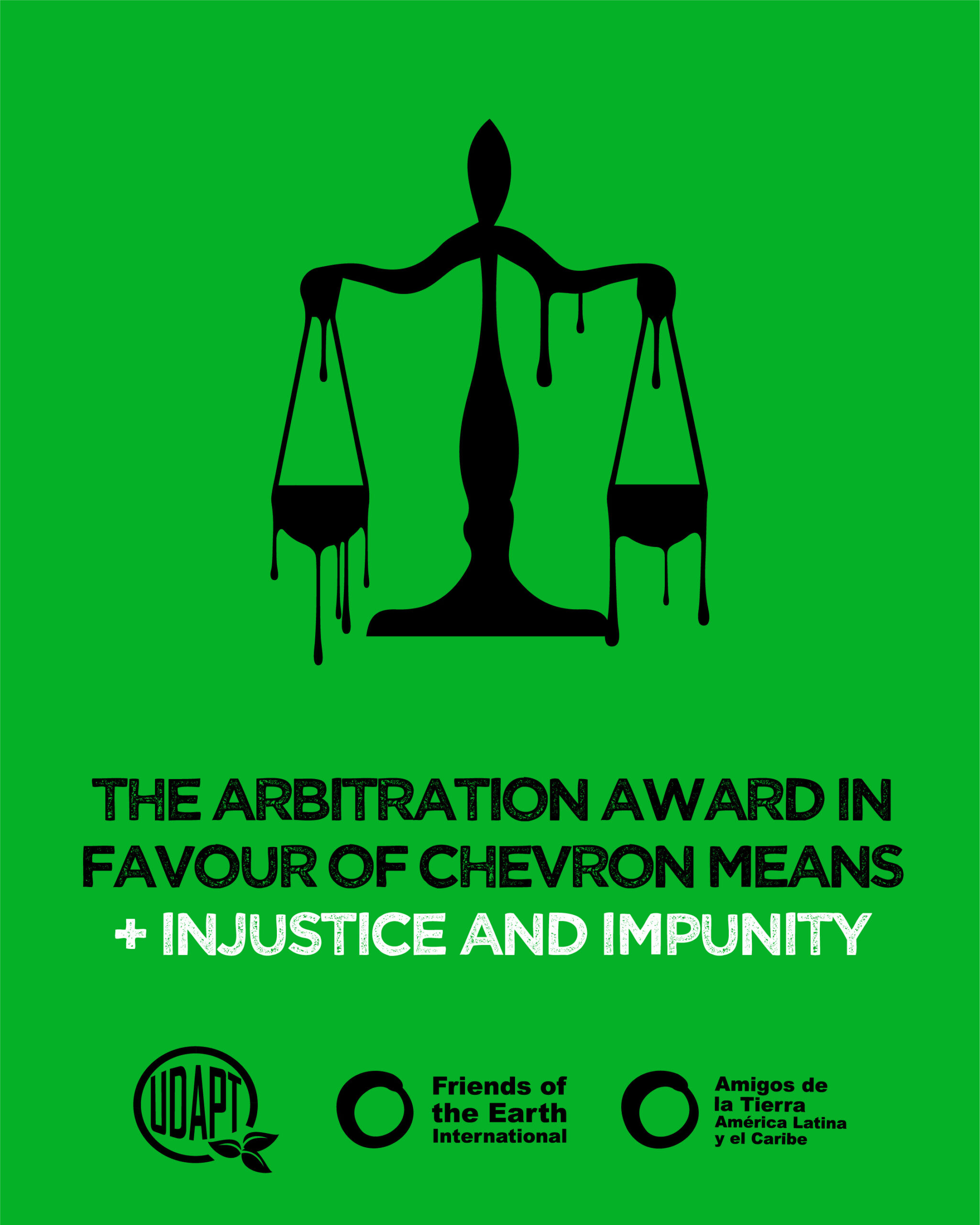
At the same time, Chevron initiated international arbitration proceedings against the Ecuadorian state on the basis of a bilateral investment protection agreement. In November 2025, the arbitration tribunal ordered the Ecuadorian state to pay Chevron 215 million US dollars — thereby placing the economic rights of a multinational corporation above the human and constitutional rights of Ecuadorian citizens.
Problematic arbitration tribunals and procedures must be abolished
By supporting this international mobilization, the Mouvement Ecologique reaffirms its conviction that private international arbitration proceedings must not prevail over the sovereign decisions of national judicial systems, nor over the fundamental rights of peoples. The Chevron case strikingly illustrates the excesses of investor-state dispute settlement mechanisms (ISDS), which allow multinational corporations to bypass national justice systems and enforce their financial interests at the expense of already weakened states and populations.
Together with the undersigned organizations, the Mouvement Ecologique calls on the Ecuadorian government to respect the rulings of its own Constitutional Court, preserve the independence of its judicial system, and refuse to subordinate justice for peoples to the demands of private arbitration tribunals.
Read the entire letter HERE.


20.05.26