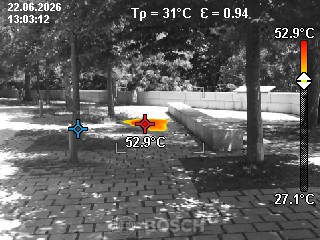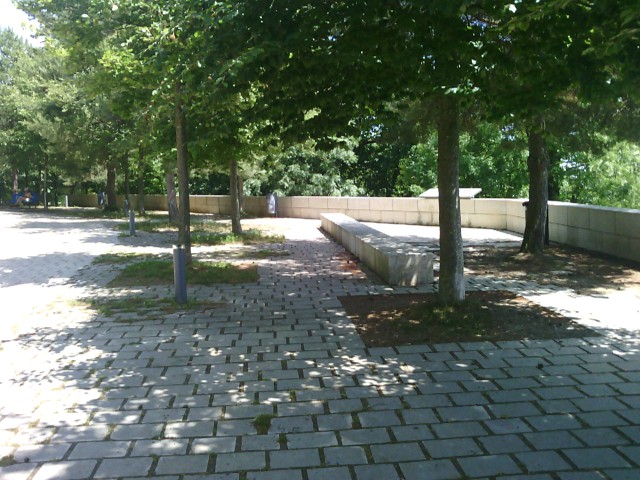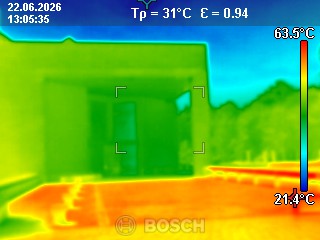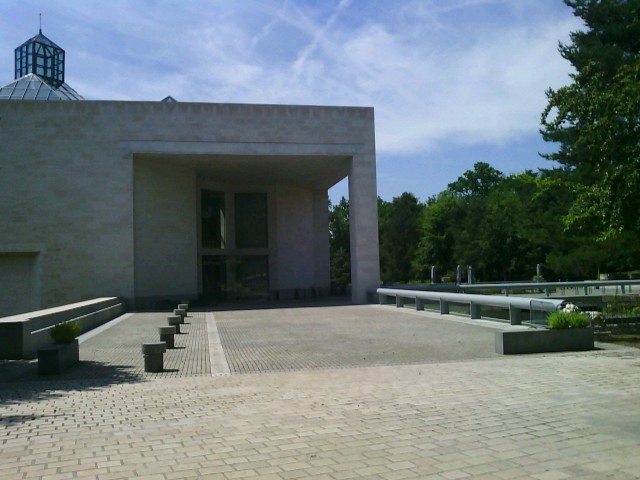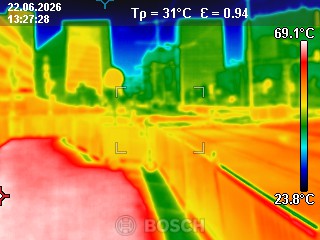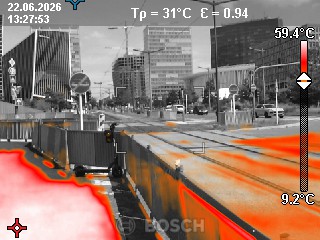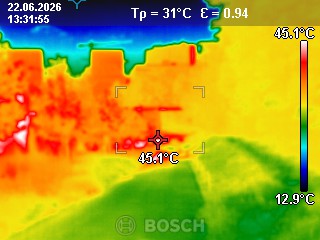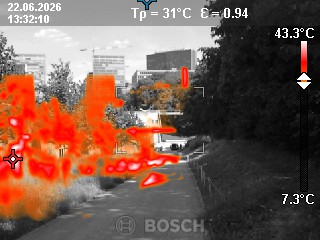





Increasingly long and extreme heat periods: stop waiting until it is too late
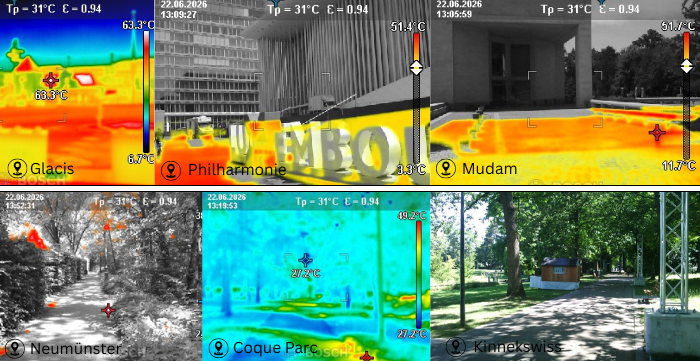
The persistent hot days around National Day are without doubt the hottest ever recorded at this time of year. And yet, in his National Day speech, the Prime Minister still expressed the following wish: “Dofir wënschen ech mir op dësem Nationalfeierdag, dass mir all zesummen un engem Strang zéien: (…) fir e Liewensmodell, deen d’Limitte vun eisem Planéit respektéiert.”
Unfortunately, we are still far from this model of living that the Prime Minister hopes for. Quite the opposite. In its 2026 Country Report, the European Commission even issued a highly concerning assessment of Luxembourg on several important points (*). Three examples among many:
- Between 1980 and 2024, according to the EU, Luxembourg recorded around €1.4 billion in economic losses due to weather- and climate-related extreme events (**). Just imagine how many constructive projects could have been funded with such an enormous amount.
- Luxembourg is the EU country facing the greatest challenges regarding water quality – water pollution poses a major challenge for long-term water supply.
- Luxembourg is particularly affected by land take and soil sealing, leading to the degradation of soils and ecosystems.
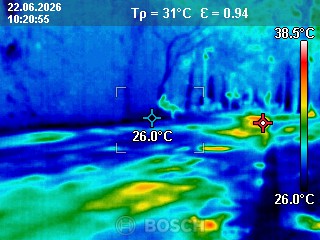
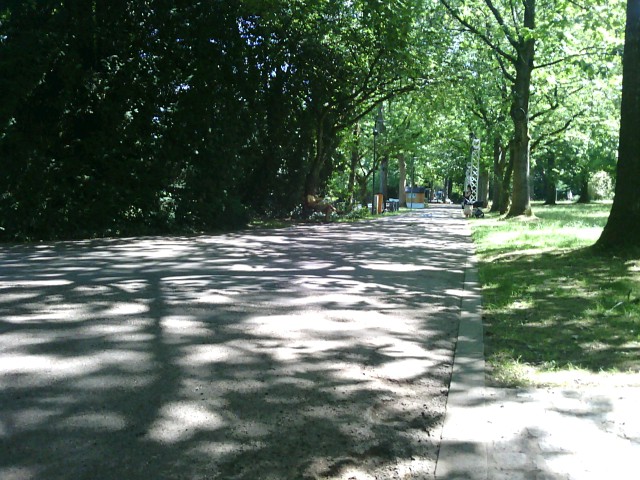
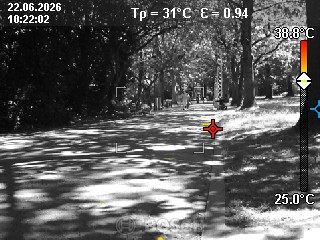
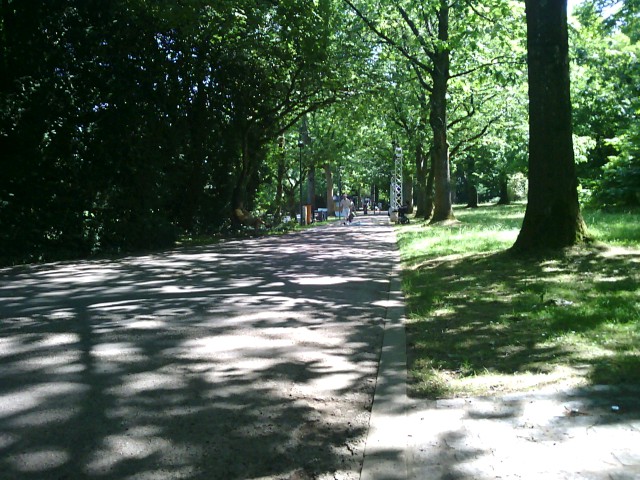
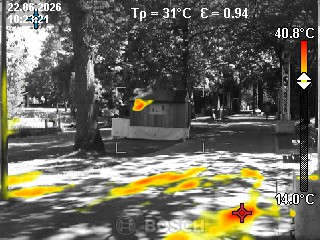
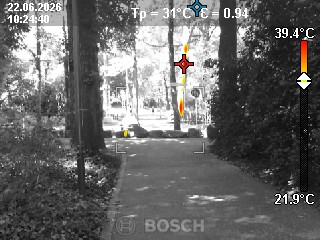
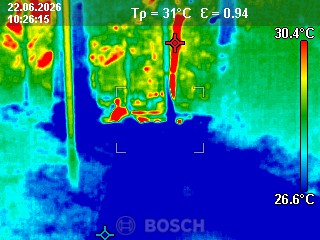
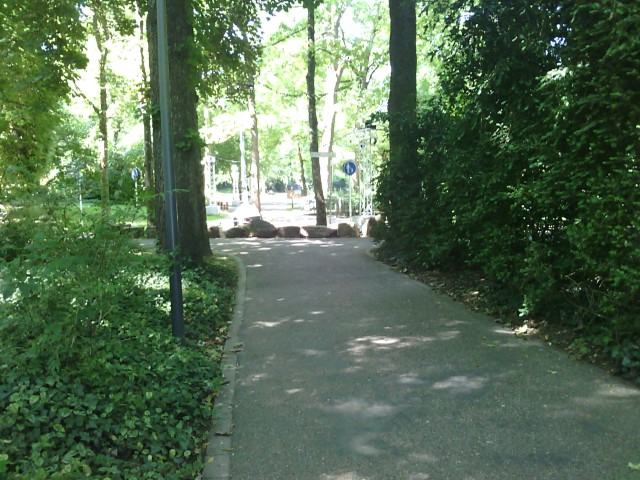
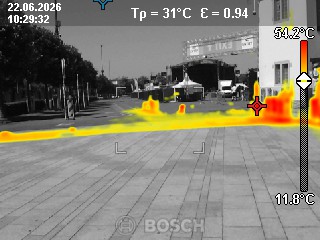
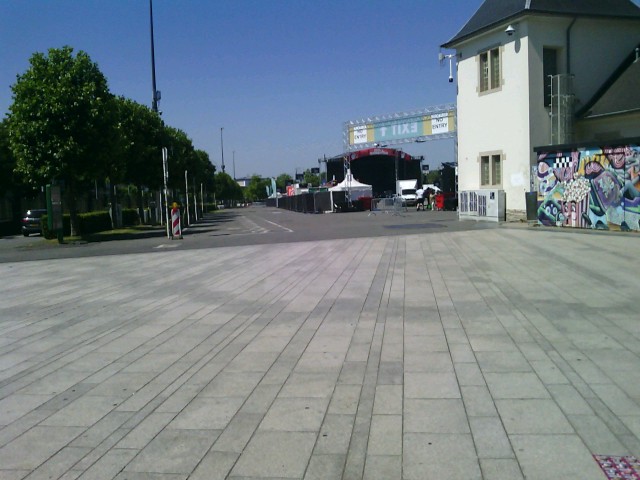
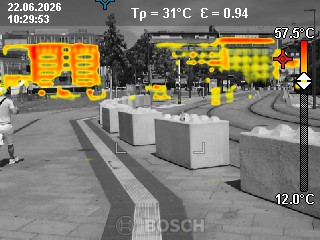
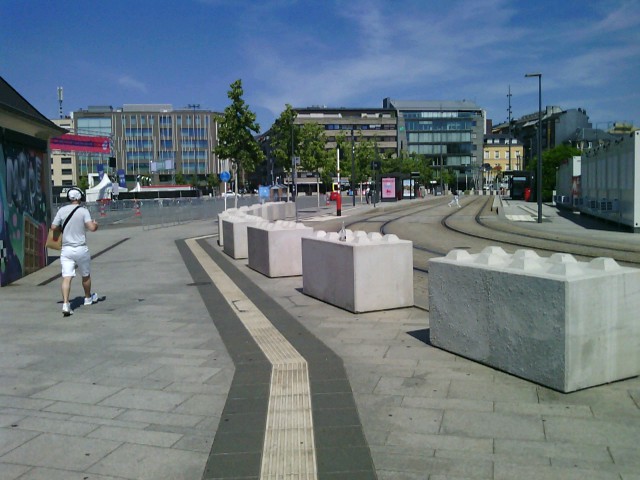
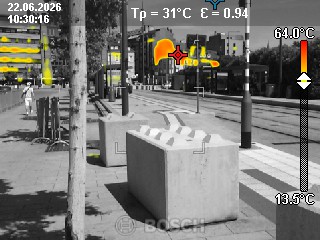
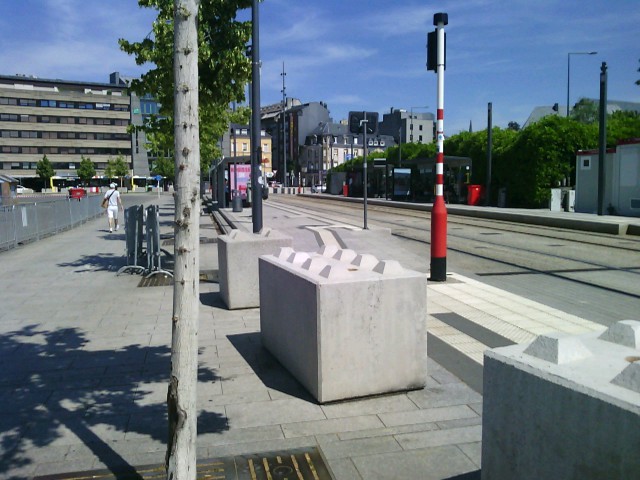
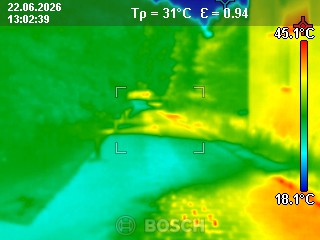
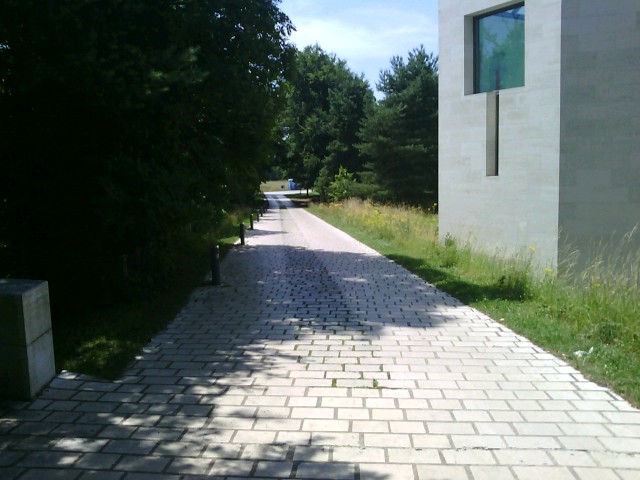
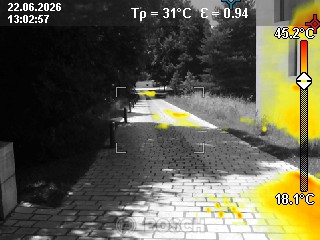
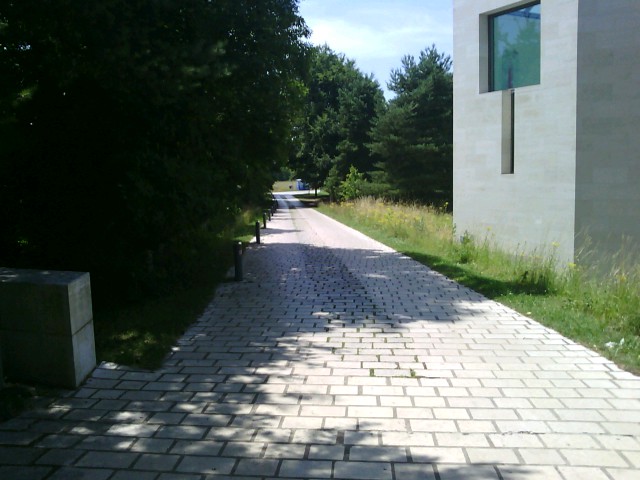
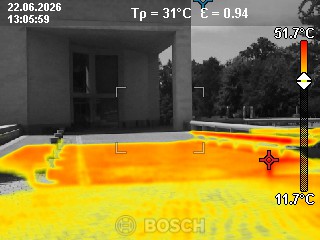
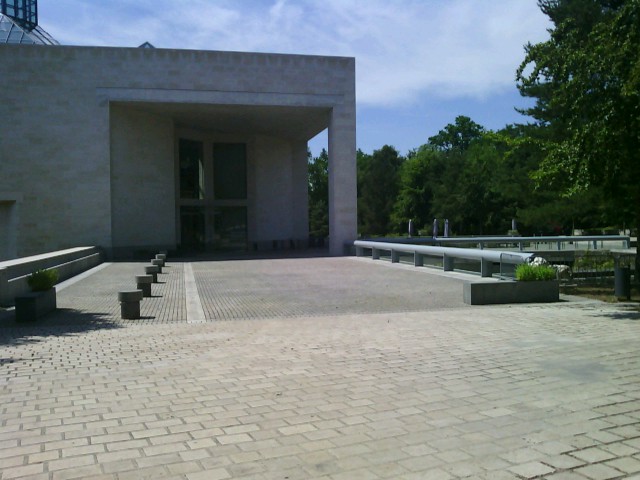
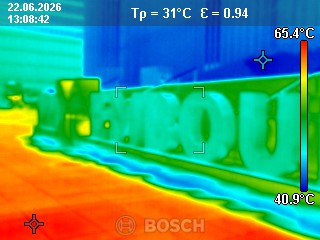
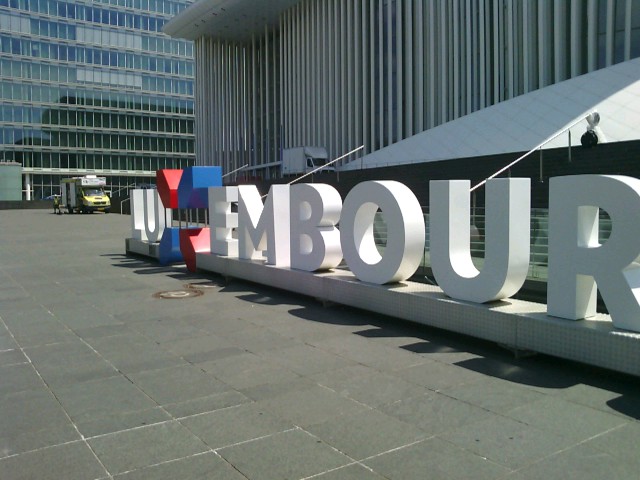
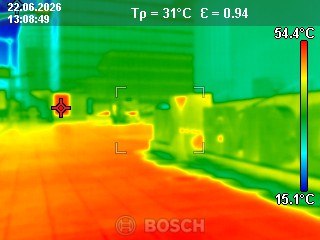
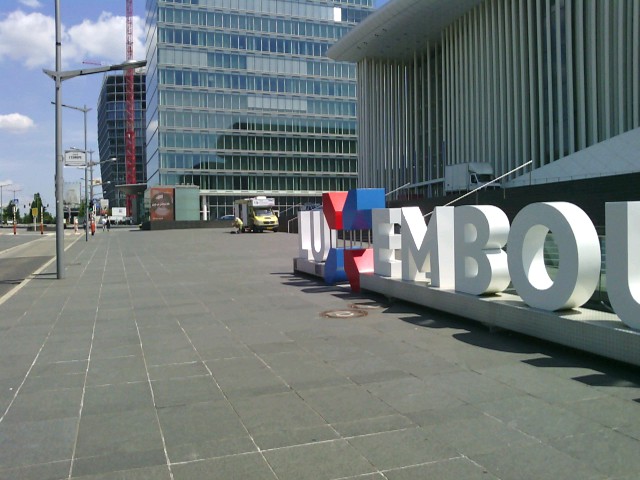
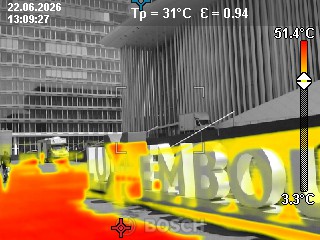
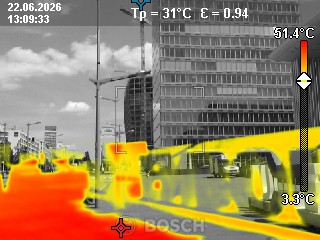
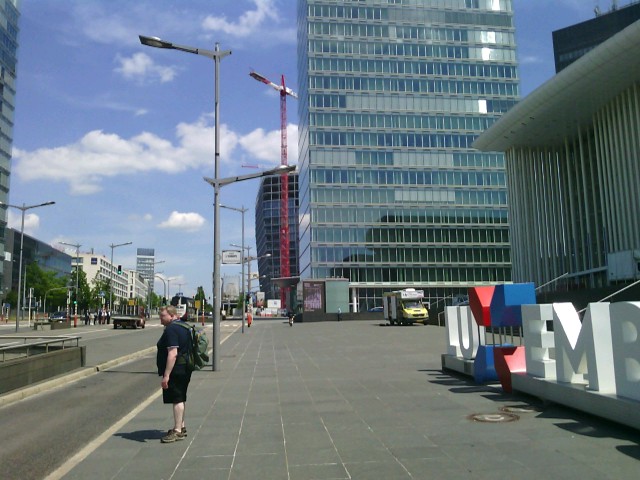
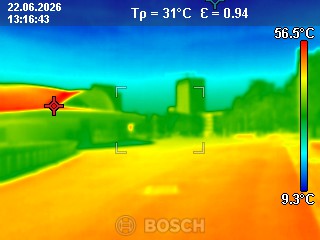
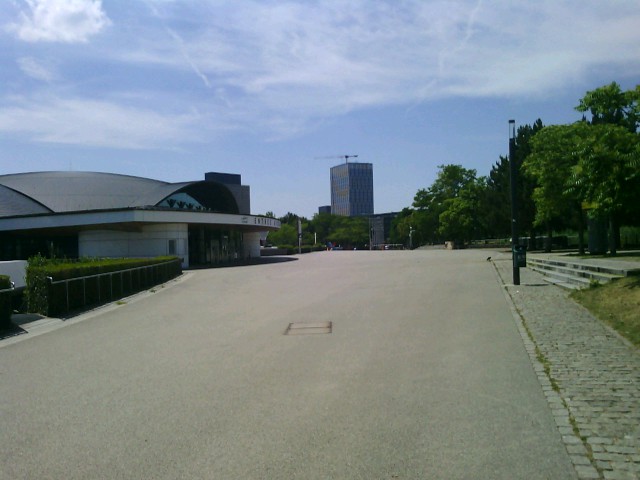
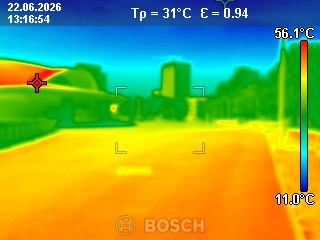
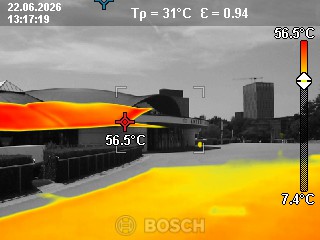
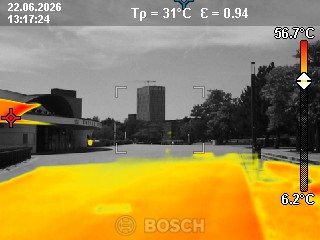
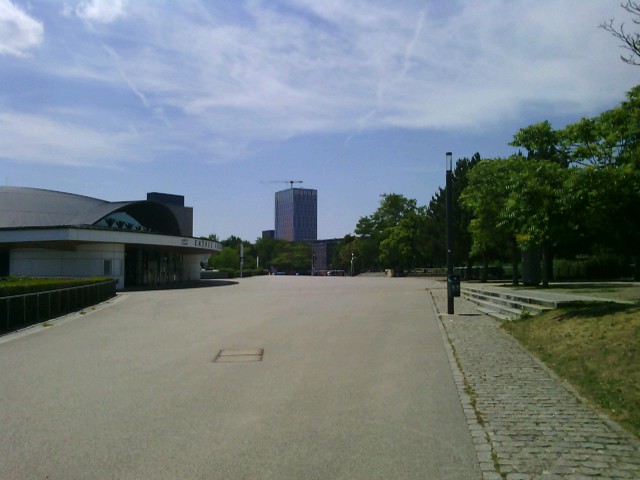
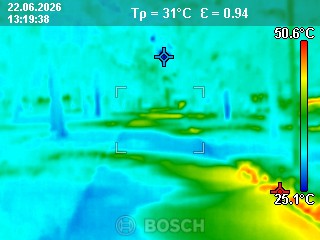
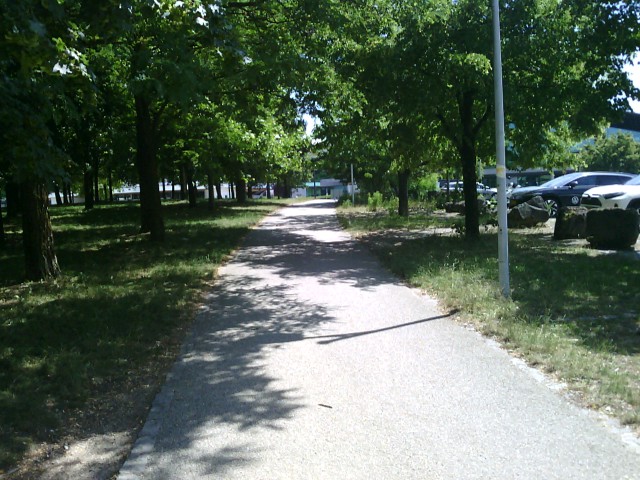
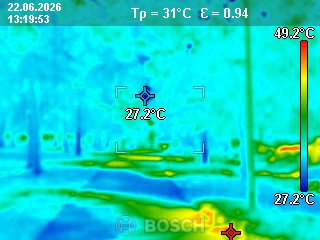
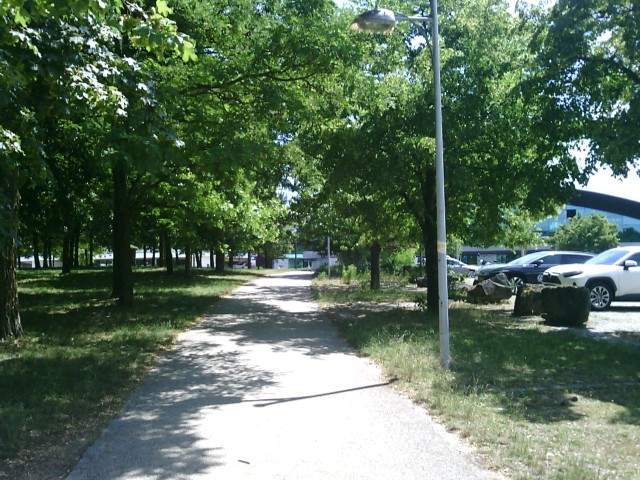
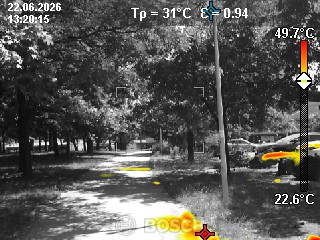
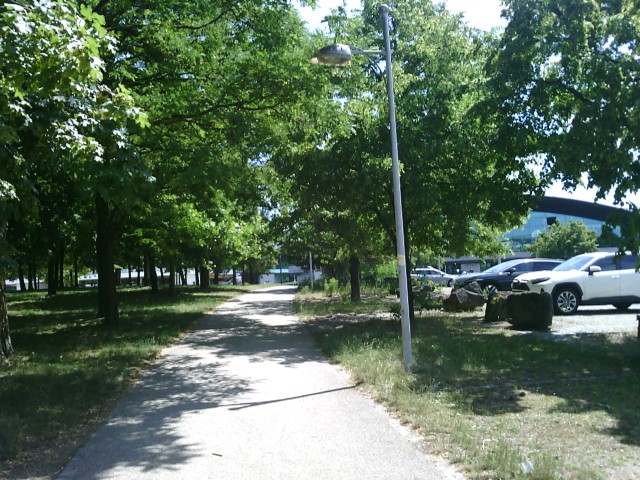
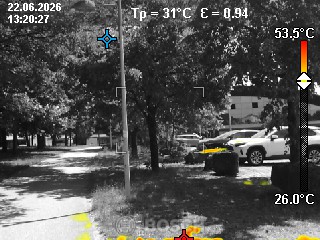
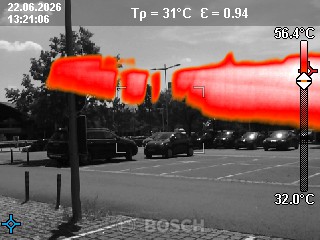
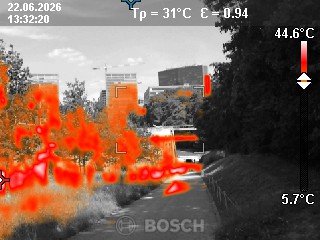
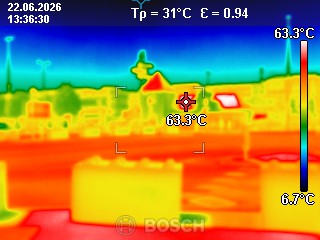
The massive heat of these days – and the urgent need to act against it and limit further temperature increases as much as possible – once again highlights in a particularly striking way how important it is to take action. Individuals can and should contribute, whether by adopting behaviours that help counter the climate crisis or by promoting more greenery in their surroundings.
Ultimately, however, it is the responsibility of public authorities to set the right course. This has not been done sufficiently in the past. Although it has long been foreseeable that these extreme weather situations would increase (both periods of heavy rainfall and flooding, as well as extreme heatwaves), not enough has been done either to counteract or prepare for them.
This is despite the significant impacts on economic activity and on physical and mental health. Moreover, it must be recognised that not only humans suffer from the heat – animals and the natural environment are also under stress. And one thing is clear: with the climate crisis, temperatures will continue to rise, and above all, such extreme events will become more frequent.
As a society, we can and must prepare for these extreme weather situations, but above all everything must be done to prevent their escalation and keep further temperature increases as low as possible.
The Mouvement Ecologique therefore urgently renews its proposals to the government to act far more decisively so that the climate crisis and global warming can at least be contained and the unavoidable negative consequences addressed as effectively as possible. This could even lead to a significant improvement in overall well-being. These measures include, among others:
- Address the root causes of extreme warming and combat the climate crisis, so that these extreme situations do not continue to worsen. In other words: instead of continuing, as decided during the tripartite negotiations, to financially support fossil energy sources such as gas, heating oil and fuels, Luxembourg should phase them out, expand renewable energy, and pursue a socially just heating and mobility transition much more decisively.
- Correct the ecological blind spot in the national resilience strategy: this strategy is currently being developed, yet ecological issues are only marginally addressed. They must become a priority.
- Take the climate adaptation strategy seriously: Luxembourg has recently adopted a document outlining how to reduce the negative impacts of unavoidable climate change. The previous strategy was worth little more than the paper it was written on, as almost no implementation followed. The new strategy must now be implemented with determination.
- Provide stronger support for financially vulnerable households during the transition, as they are often the most affected by heat (e.g. poorly insulated homes, less access to green spaces).
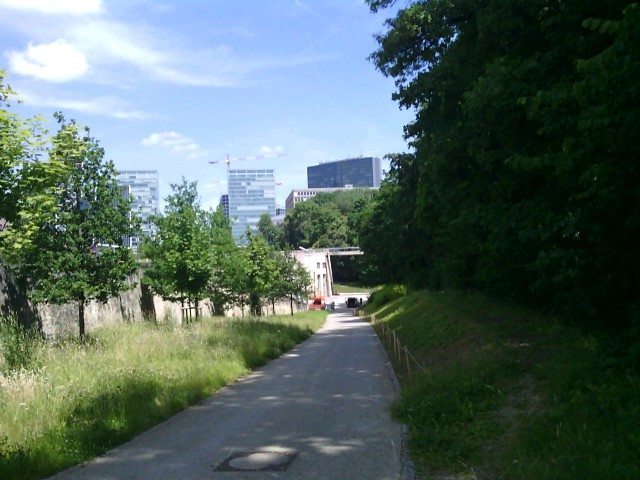
- Accelerate and systematically expand the greening of towns and villages, including through the following measures:
- every municipality needs a coherent green plan – a strategy defining how, where and when more greenery can be created to adapt to climate change, improve quality of life especially in urban areas, and counter biodiversity loss (examples: greener public spaces, street greening, fresh-air corridors);
- the planned reform of the nature protection law must not be implemented as it currently stands, as it would lead to further loss of green spaces in municipalities;
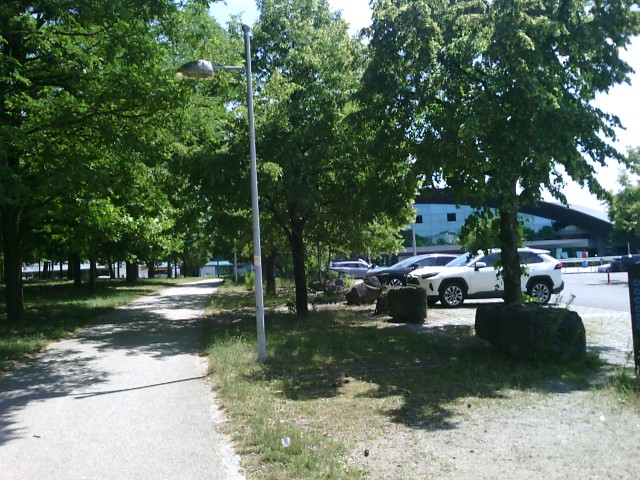
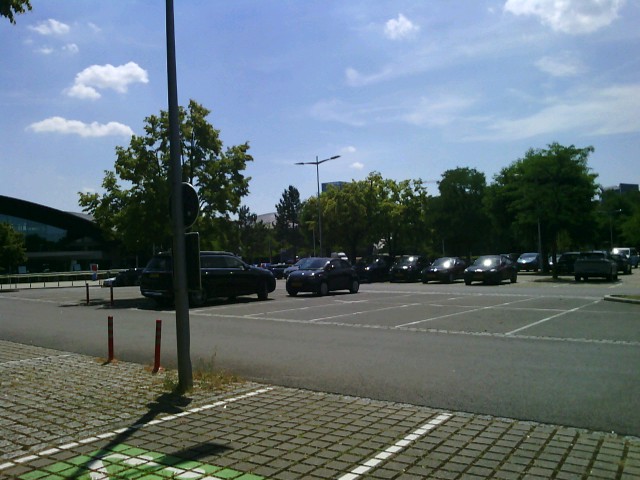
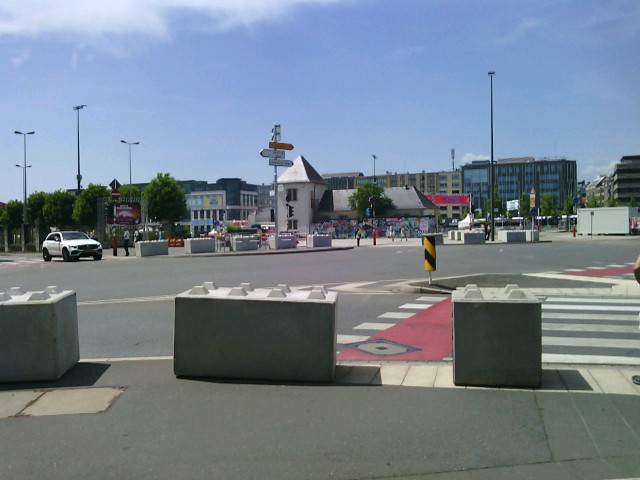
- rapid and effective concrete measures must be taken, such as planting and maintaining healthy urban trees, implementing the sponge city concept, setting greening requirements within activity zones, depaving sealed surfaces, and providing much stronger support and advice for private individuals who want to take action on their own land;
- the Ministry of the Interior should present a national building regulation that promotes the energy transition, urban greening and rainwater management as much as possible.
- Reform agricultural policy, with stronger emphasis on priorities such as increasing soil humus and promoting ecological farming methods including mixed cropping, crop rotation and extensive livestock grazing.
- Renaturalise landscapes: wetlands must be rewetted, rivers and streams restored together with their floodplains, ponds and pools recreated, and drainage systems in wet meadows and open landscapes dismantled.
- Ensure resilient forest management, enabling climate-resilient mixed forests through natural regeneration adapted to local conditions. Forests must remain continuous through sustainable continuous-cover forestry, forest roads and drainage ditches should be reduced, and soil compaction caused by heavy machinery must be minimised.
The Ministry of Health must not reduce its role to merely reacting to the worsening situation through a – certainly necessary – heatwave plan (“plan canicule”) for particularly vulnerable groups. Proactive action is required.
As Prime Minister Luc Frieden said in his State of the Nation speech:
- Do we want to enjoy the summer sun, or endure it as a heatwave?
- Do we want a stable daily life, or extreme weather?
- Do we want fresh air, clean water and healthy forests?
His answer was:
“For the government, the answers are clear: we want to protect the environment and tackle climate change.”
But for this not to remain nothing more than a pious wish, policymakers must act far more decisively.
(*) Commission Staff Working Document 2026 Country Report – Luxembourg, accompanying the Recommendation for a Council Recommendation on the economic, social, employment, structural and budgetary policies of Luxembourg.
(**) Between 1980 and 2024, Luxembourg recorded around €1.4 billion in economic losses from weather- and climate-related extreme events, ranking second in the EU in per capita losses and third in losses per square metre.
25.06.2026