







Important development: STATEC takes on a greater role in the environmental sector – latest figures on the state of biodiversity in Luxembourg presented
Independent, technically undisputed statistical data is very important for good policymaking. Most people probably associate STATEC less with environmental issues.
However, there have been new developments at STATEC for some time now, which Mouvement Ecologique expressly welcomes and which we have also been advocating for years.
STATEC is increasingly taking on more responsibility in the environmental sector. It is extremely important that this responsibility does not lie solely with the ministries and administrations. On the one hand, STATEC has more in-depth technical knowledge in the field of statistics and, on the other hand, it is familiar with international standards. Last but not least, STATEC is a neutral player.
However, the fact that STATEC is increasingly collecting data in the environmental sector also means that environmental issues are being given new weight in the general analysis of the country’s situation.
One relevant and important development, for example, was STATEC’s involvement in the preparation of the National Climate and Energy Plan. Even if not everything was perfect (yet), as structures within STATEC had to be established for this work and cooperation with ministries and administrations had to be set up.
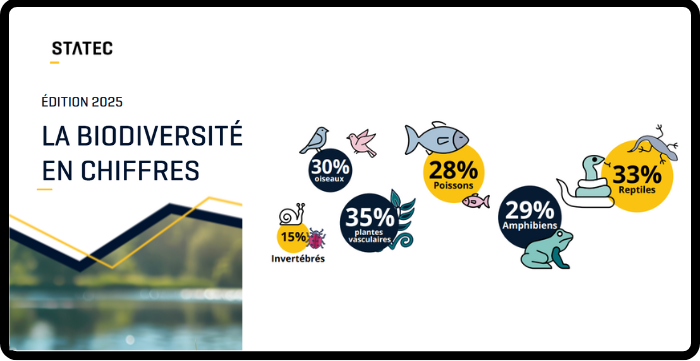
STATEC has now presented data on the state of biodiversity in Luxembourg for the first time. There is still room for improvement here, but this first report is of great significance.
STATEC still has a lot of work to do, for which the institution must be given the necessary resources and rights, e.g. in drawing up a national climate and social plan, in designing specific projects in the field of energy transition (concerning instruments to promote energy-efficient renovations in the rental sector), in developing the ”PIBien-être”, which is included in the national budget for the first time, and much more.
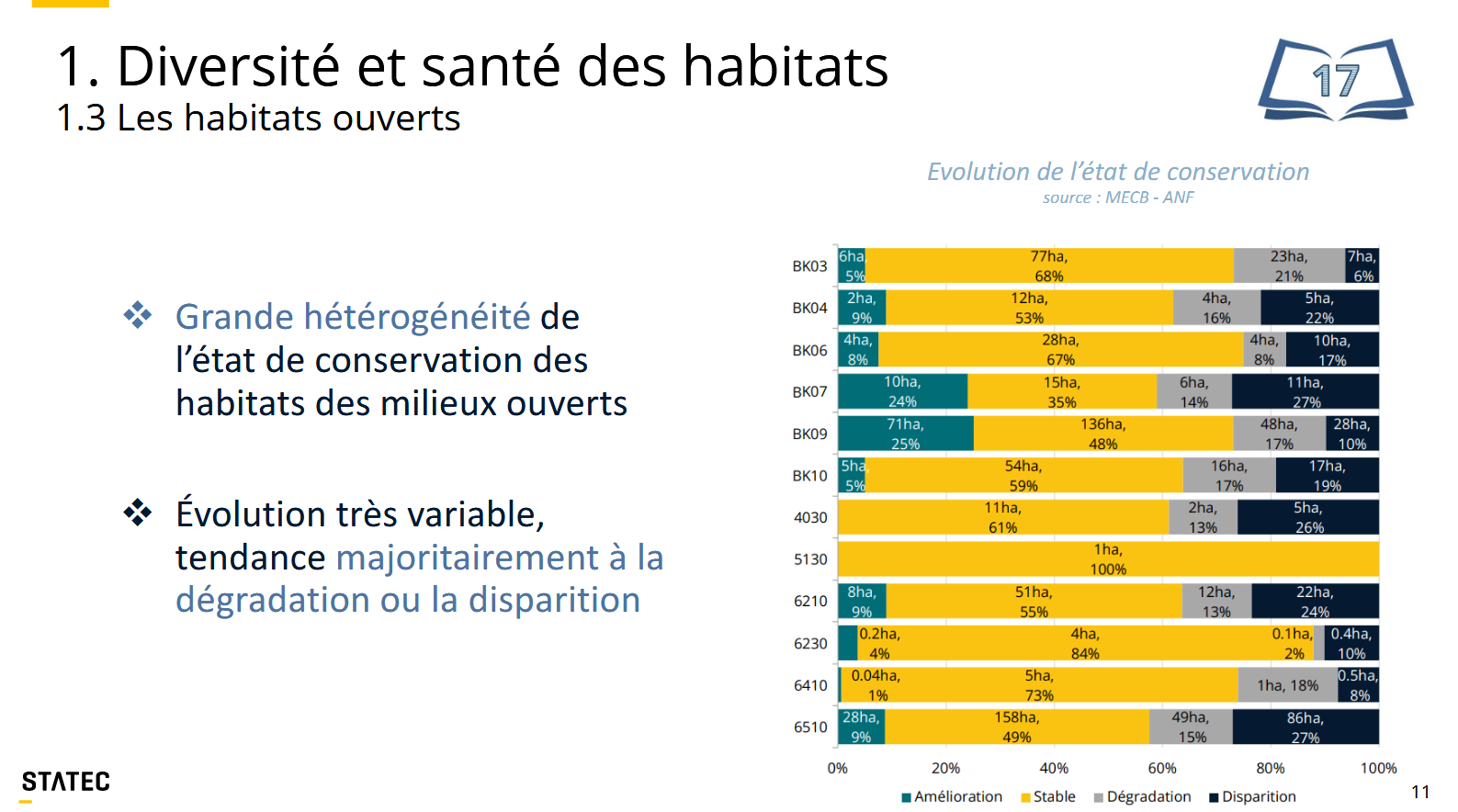
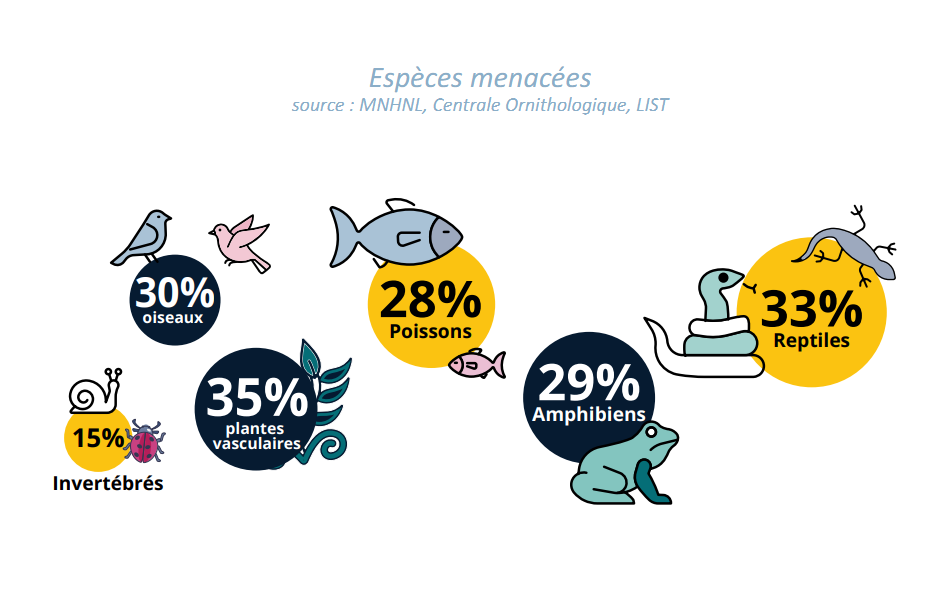
In mid-December 2025, the national statistics office (STATEC) and the Ministry of the Environment published a report on the state of biodiversity in Luxembourg – the first of its kind in this independent, official and comprehensive form.
Although various players in the nature conservation scene have already published reports on the conservation status of individual animal groups, plants or habitats, such an independent overview has been lacking until now. Mouvement Ecologique had been calling for such a publication for some time and therefore expressly welcomes the initiative. In future, the report is to be published annually, like other STATEC publications, in order to serve as a documentation and monitoring tool for the state of nature.
The involvement of various stakeholders in the final phase of the report’s evaluation, albeit at short notice, is to be welcomed. In November, STATEC also approached the Mouvement Ecologique in this regard. Unfortunately, however, only some of the suggestions for improvement were considered. It is particularly regrettable and somewhat contradictory that this innovative analysis did not always include the most recent data available, such as data on the state of forests (Inventaire Forestier National, IFL3) and open land biotopes, as well as recent data from reporting under the European Fauna-Flora-Habitat Directive (FFH Directive), but this was probably more the responsibility of the Ministry of the Environment.
In addition, the section on compensation areas at the end of the report seems somewhat peculiar. It lists the areas that must be set aside as compensation for interventions in nature (including construction projects). As this graph is not accompanied by any commentary, it gives the impression that the trend is positive, even though it ultimately documents an increase in the destruction of nature in Luxembourg.
In conclusion, the launch of the annual report “La biodiversité en chiffres” is very welcome. However, future editions should take all available data into account in order to reflect reality as accurately as possible. In addition, existing “teething problems” should be addressed. For example, there is a lack of data on landscape fragmentation; and for many animal groups there are no or several decades-old “red lists” of endangered species, etc. The Ministry of Biodiversity, the Nature and Forestry Administration and the Natural History Museum of Luxembourg must provide this information. Only in this way can an appropriate response be made to changes in biodiversity. Mouvement Ecologique will continue to monitor the development of this report in the coming years.
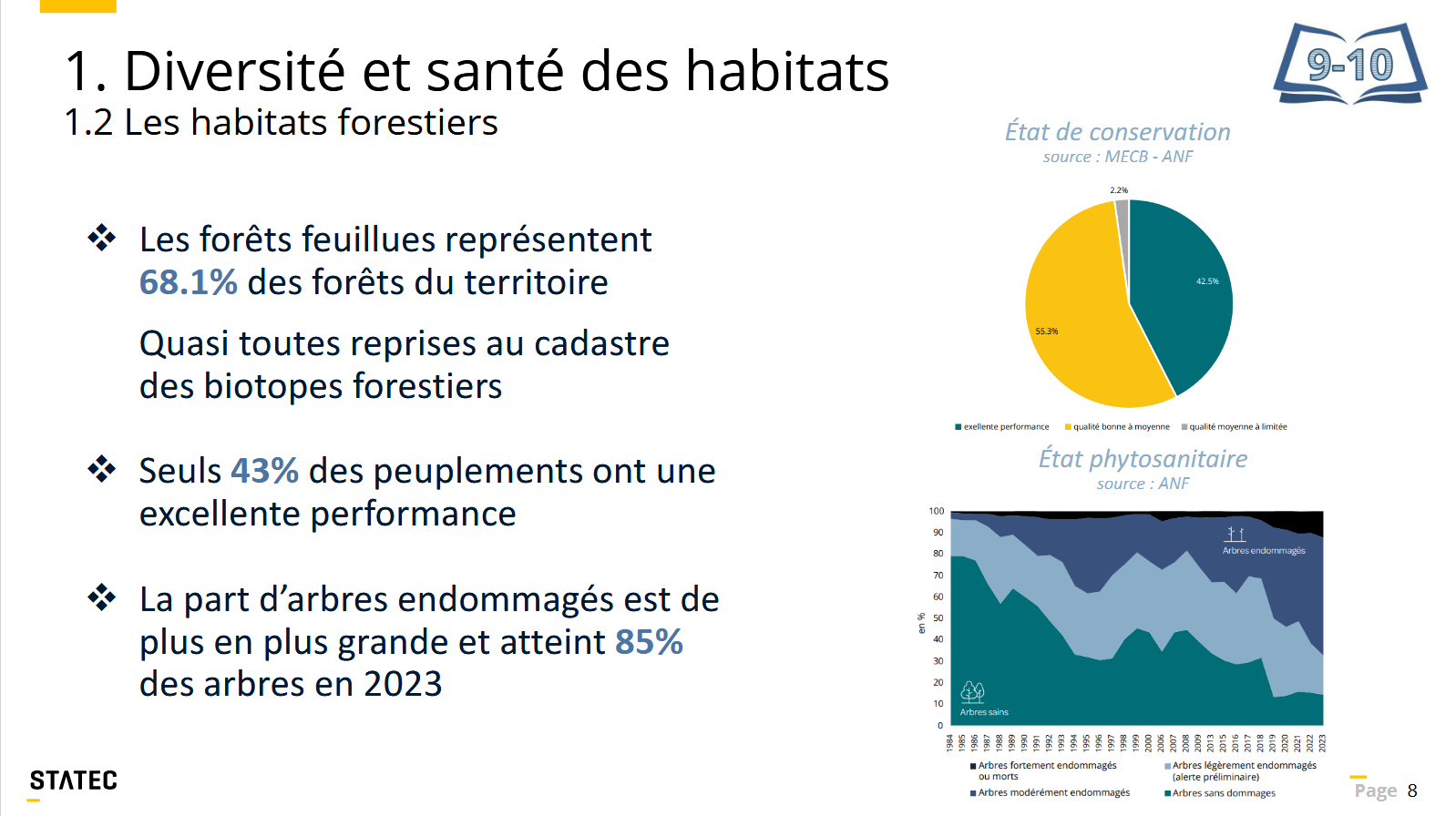
The report can also be downloaded here.
January 21st 2026